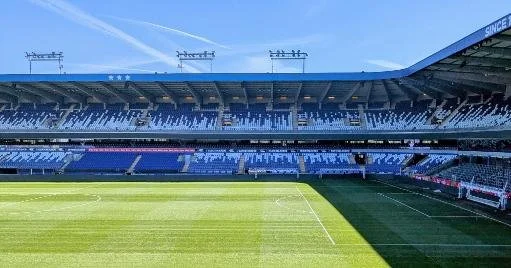
Welcome to your learning hub where the worlds of football business, stadium management, and event planning meet academic theory, concepts and frameworks. The aim is to bridge real-world football business and stadium operations with conceptual frameworks to help you master the business behind the game.

The Structure-Conduct-Performance (SCP) model is an industrial organisation framework used to analyse the relationship between market structure, firm behaviour (conduct), and economic results (performance). Applying the SCP framework to FIFA gives us an idea how an international governing body leverages a natural monopoly structure to shape strategic conduct and generate unprecedented financial results. Does the market structure influence FIFA’s conduct? (according to the theory)
A Safety Advisory Group (SAG) is a multi-agency committee responsible for assessing, advising, and overseeing public safety at sports grounds and large events. Rather than holding direct executive powers to stop a match, a SAG acts as an authoritative advisory body to local authorities, ensuring that stadium operators and event organisers comply with safety regulations.

Football and the Private Security Act
The most prominent failure of stadium security governance and SIA-regulated stewarding in recent British sports history occurred at Wembley Stadium during the UEFA EURO 2020 Final between England and Italy.
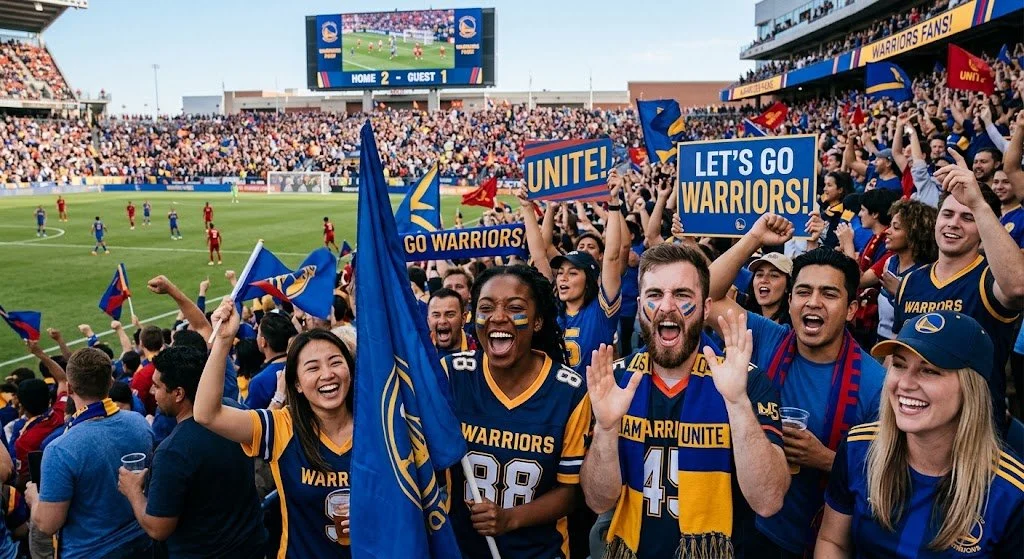
The Sport Spectator Satisfaction Model goes further than other consumer behaviour frameworks to account for the volatile and emotional environment of live sport. Developed by Van Leeuwen, Quick, and Daniel (2002), the model acknowledges that unlike standard products or services, a sport team cannot guarantee its core outcome…. a win.
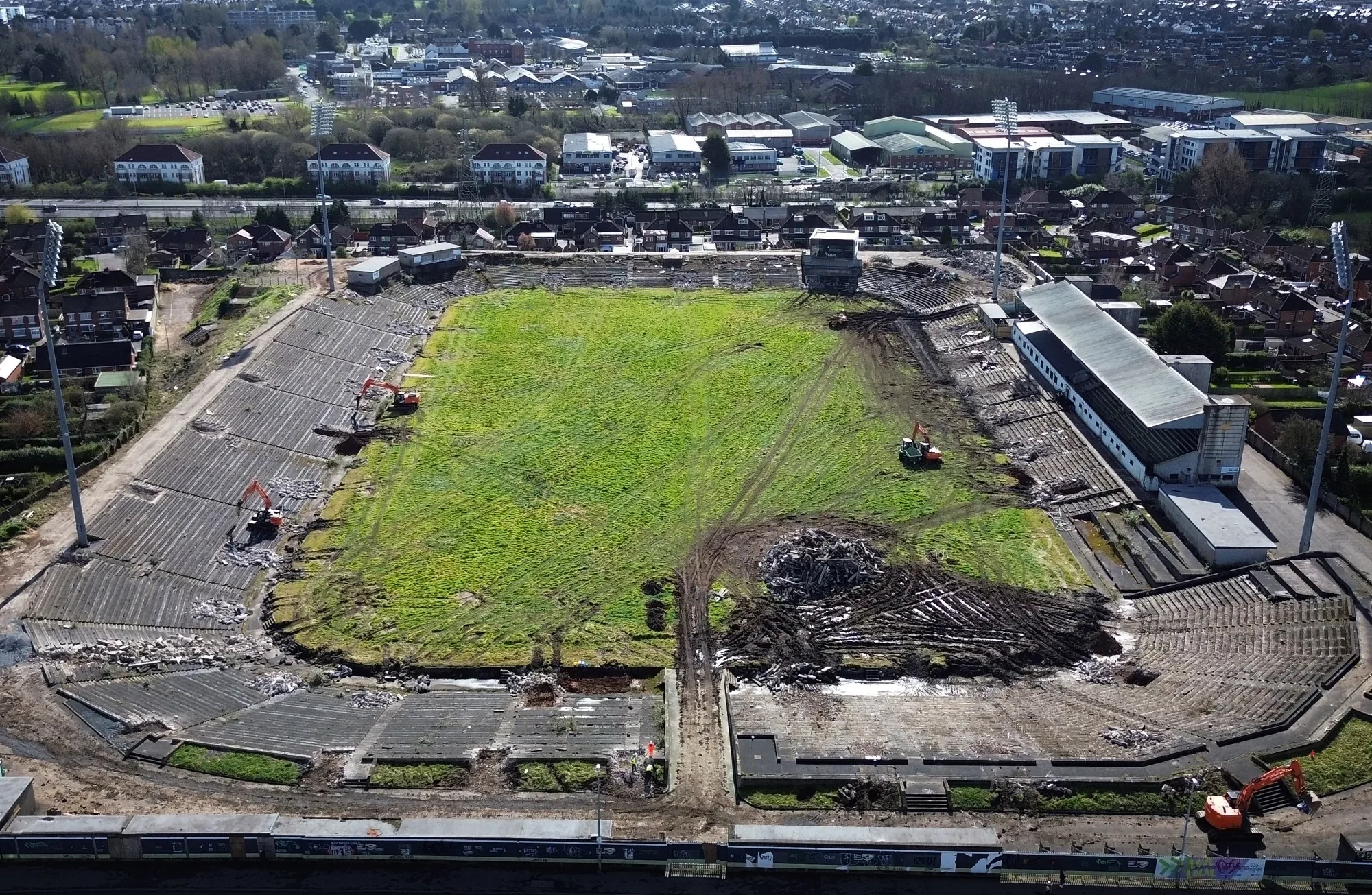
Euros 2028: The impact on Northern Ireland of not hosting
Northern Ireland’s withdrawal from hosting Euro 2028 was triggered by the UK government's decision not to fund the redevelopment of Belfast’s Casement Park. Reasons cited were the cost, which increased from £77 million to £400 million, and timeline constraints (limited time to actually build the stadium). But what does not hosting a prestigious event mean for a country like Northern Ireland?
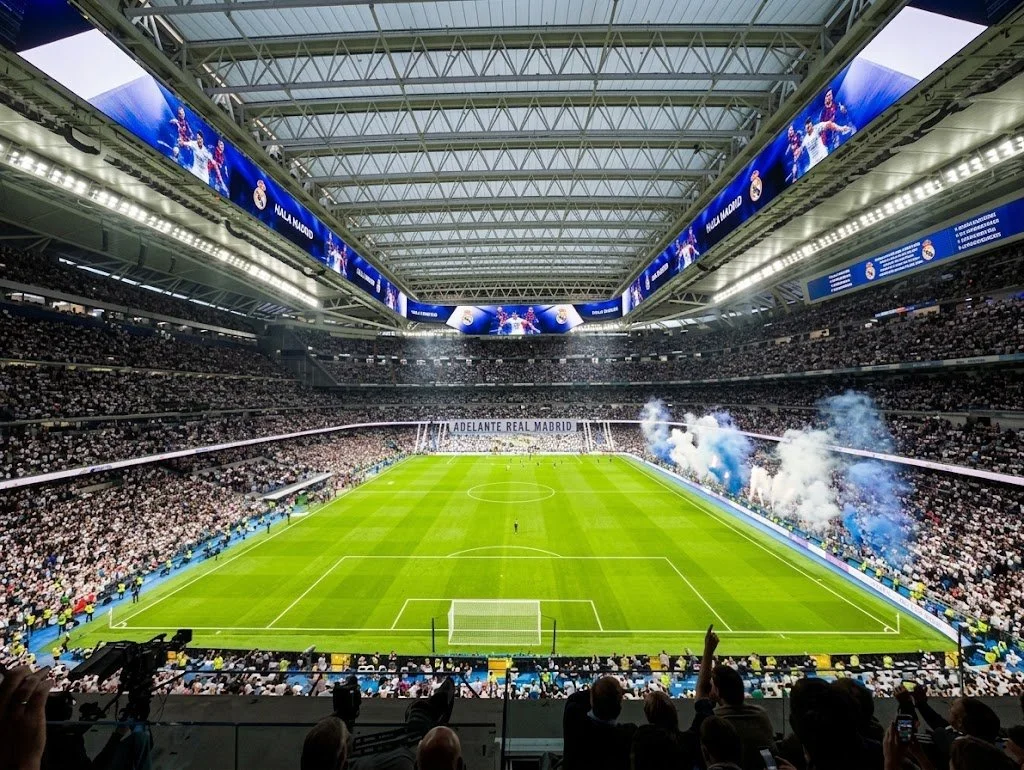
The Network of Value Captures provides one of the most comprehensive frameworks for understanding football club management. Rather than viewing football clubs as organisations selling matches, Dolles and Söderman argue that clubs manage interconnected value captures involving teams, players, brands, facilities, merchandise, sponsors, media organisations, supporters, and communities.
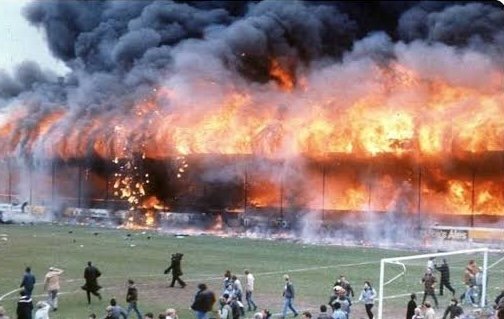
UK football stadiums have some of the strictest safety rules in the world. Today's sports stadiums are amazing pieces of engineering, designed to host tens of thousands of fans safely. However, this rigorous standard of safety was hard-won. The evolution of UK fire safety codes for sports venues was largely forged in response to tragedy, with the Bradford City stadium fire of 1985 serving as a critical turning point that transformed stadium architecture, statutory enforcement, and operational procedures across the nation.
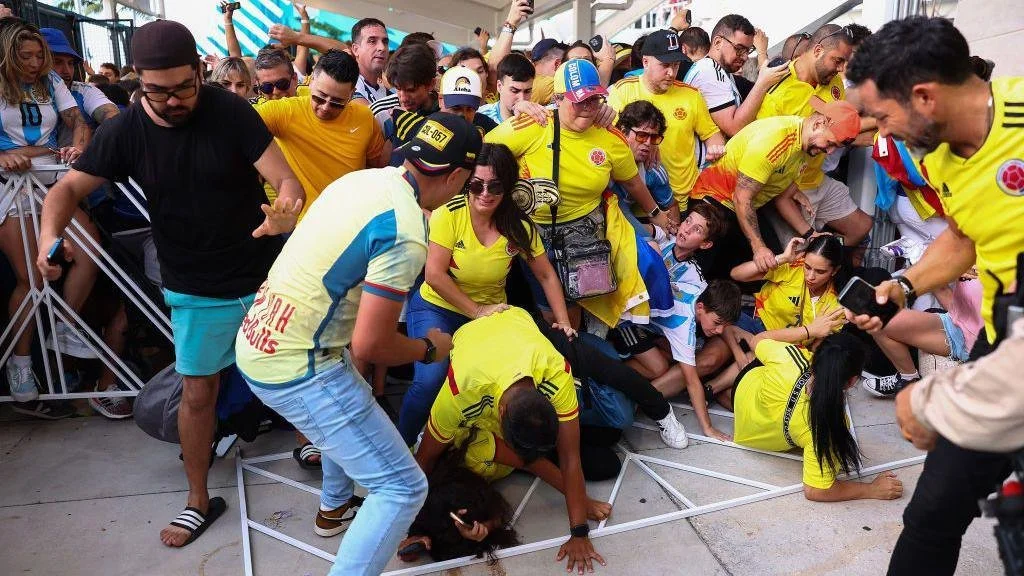
Copa América final and crowd safety planning
The Copa América Final 2024 at Hard Rock Stadium in Miami Gardens, Florida, collapsed into severe operational chaos. Thousands of unticketed fans stormed the perimeter, breached security checkpoints, climbed air vents, and forced stadium management to delay kick-off by over 80 minutes. Applying Still’s DIM ICE model reveals how critical breakdowns across Design, Information, and Management caused systemic failure.
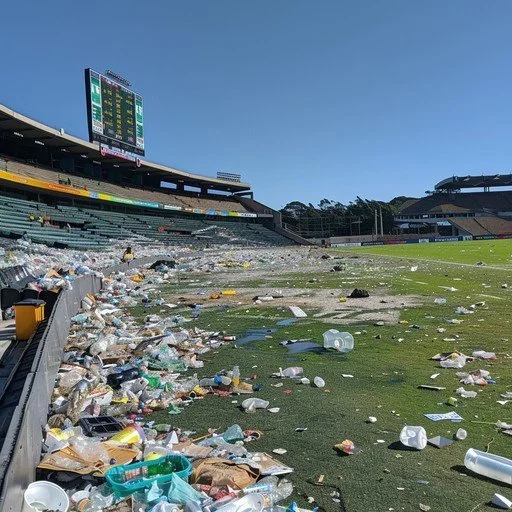
Lindenberg’s Goal-Framing Theory provides a framework for understanding why individuals behave pro-socially in some settings while completely disregarding social norms in others. Nowhere is this contrast more stark than in UK football stadiums. Every weekend, thousands of supporters leave behind mountains of food packaging, plastic cups, and other rubbish. By applying Goal-Framing Theory to the matchday environment, we can understand the root causes of this behaviour and construct targeted strategies to mitigate it.

Stadium Operations
Stadium operations management is the hidden engine that powers every modern sporting event, concert, and mega-gathering. While tens of thousands of fans focus on the pitch or the stage, stadium operations teams manage crowd logistics, physical security, smart venue technology, and environmental sustainability.